It’s Halloween season—and while everyone’s focused on candy, costumes, and spooky décor, there’s something even scarier lurking around this time of year: a weakened immune system. As fun as fall is, it’s not exactly known for immune system support. Many of my midlife clients are already coughing, sneezing, and down with flu-like symptoms. But don’t worry—it doesn’t have to be all doom and germs. Once you know a few smart strategies to fend off those microscopic monsters, you can boost your defenses and enjoy all the cozy fun this season brings. I’m sharing 8 tips for immune system support inside and out—so you can stay strong, energized, and ready for fall.
Our overall health plays a significant role in how we fight off colds and the flu. I get my flu shot every year, but that’s just one piece of the puzzle. What else can we do to protect ourselves?

Understanding the Immune System Support
Every year without fail, I get the same questions when people show up sniffling, feeling achy, and overall have an immune system that’s not what it could be. Should I sweat it out? Or stay homesick? And is chicken noodle soup an old wives tale? There are other ways to boost your immune system inside and out.
There are germs everywhere! The most common invaders of our immune system are:
- Colds
- Coughs
- Influenza
- Throat infections
- Middle ear infections
Our immune system has a plan of action that is built-in to help us fight infections. It is true that the more you get exposed to germs, the more your immune system adapts to fighting those invasive germs.
My mother always said: It’s good to eat dirt…..(oh mom)
Other factors that influence your immune system support
Stress
Research shows that people who are angry, worried, or scared daily have compromised immune systems for months or weeks.
Age
Our innate immune response can weaken as we age. But the good news is that staying physically active and eating a nutritious diet can offset many of these changes.
Gender
The menstrual phase and oral contraceptive use may influence how the immune system responds to exercise. Estrogens generally enhance immunity, while androgens can suppress it. (Again, this may explain why women tend to do better with colds than men.)
Sleep
Poor quality sleep and prolonged sleep deprivation jeopardize immune function.
Climate
For example, exercising in a slightly cool environment might boost the immune system. A sauna or hot bath may stimulate better immunity in those with compromised immune function.
Mood
There’s evidence that immune alterations affect mood and inflammation. Clinical depression is two to three times higher among patients with diseases that have elevated inflammatory activity.
(Note: Moderate exercise appears to act as an anti-inflammatory in those with inflammatory conditions)
8 Tips for Immune System Support in Midlife
Let’s examine what your body needs to continue striving. To function well, it requires balance and harmony. Researchers still know little about the intricacies and interconnectedness of the immune response. For now, there are no scientifically proven direct links between lifestyle and enhanced immune function.
These tips help your body feel better, rest better, and return to normal faster.
1. Eat a diet high in fruits and vegetables, vitamins, and minerals that help fight colds…
- Broccoli: Broccoli is supercharged with vitamins and minerals. Packed with vitamins A, C, and E and many other antioxidants and fiber, broccoli is one of the healthiest vegetables!
- Garlic: Garlic’s immune-boosting properties seem to come from a heavy concentration of sulfur-containing compounds, such as allicin.
- Ginger: Ginger is another ingredient many turn to after getting sick. Ginger may help decrease inflammation, which can help reduce a sore throat and other inflammatory illnesses. Ginger may also help decrease nausea.
- Spinach: Spinach made our list not just because it’s rich in vitamin C. It’s also packed with numerous antioxidants and beta-carotene.
- Turmeric Is known for its anti-inflammatory properties and can help decrease exercise-induced muscle damage.
- Green Tea: Both green and black teas are packed with flavonoids, a type of antioxidant that is said to help boost immunity.

2. Keep moving
A structured and strenuous workout makes us sweat, breathe heavily, and feel discomfort. This kind of exercise triggers a stress response in the body, and while that response helps us become stronger and fitter, it’s not ideal when we’re sick.
Instead, focus on immune system support with non-strenuous movement, like walking or biking outdoors. Gentle exercise can help you recover faster by boosting circulation and encouraging your body’s natural defenses, without adding stress to your system.
3. Stay Hydrated
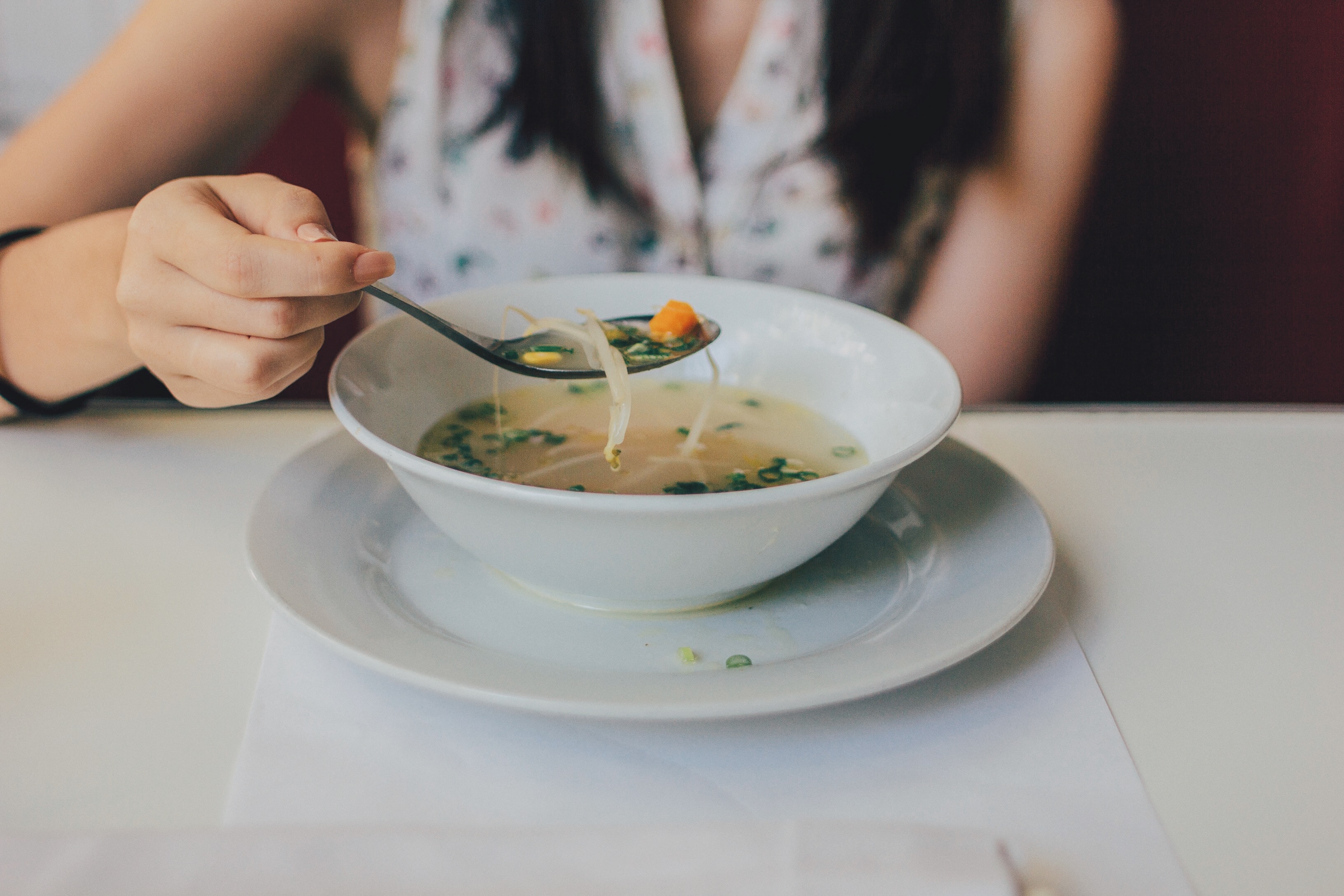
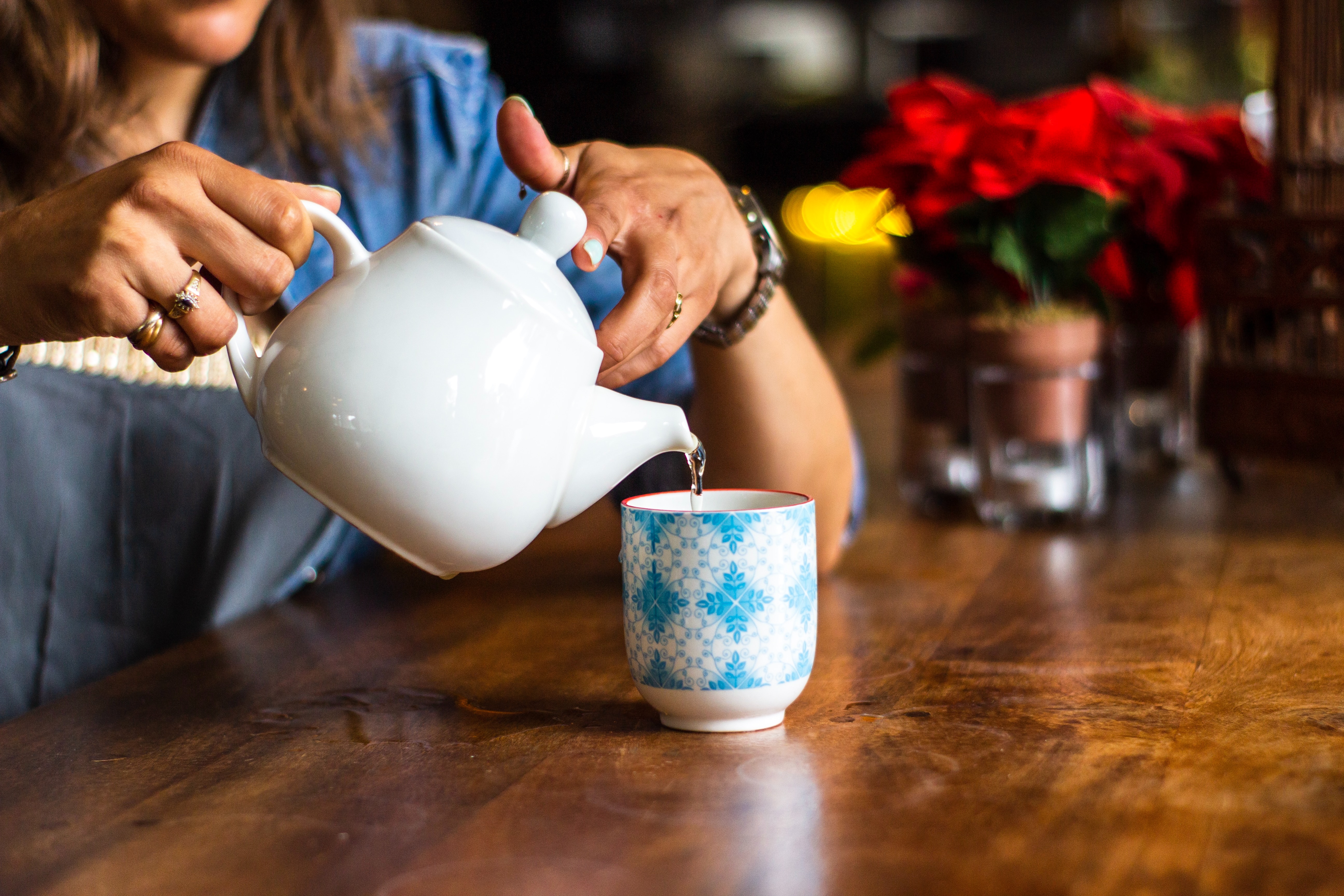
Flush out the toxins! Replace lost fluids from fever or perspiration and prevent dehydration from diarrhea and vomiting. Green tea, water, coconut water, water with lemon, soups (see your mom was right all along), are all excellent choices to rehydrate and restore minerals lost.
4. If you drink alcohol, drink in moderation
New research shows that drinking alcohol can damage the body’s dendritic cells, a vital immune system component. An increase in alcohol consumption over time can increase a person’s exposure to bacterial and viral infections. That Hot Toddy isn’t set to boost that immunity after all.
5. Get More Sleep to Boost Your Immune System
- According to a study published in the Archives of Internal Medicine, getting adequate sleep is extremely important if you’ve been exposed to a virus.
- The more you sleep, the more your body can fight off illnesses, so practice good sleep hygiene. Check out episode 12: How to get more sleep and energy. If we are exposed to the flu, our immune system can’t respond as well when we lack sleep
6. Reduce stress
Cortisol helps the body fight inflammation and disease. The constant release of the hormone in people who are chronically stressed lessens its overall effectiveness. This can result in increased inflammation, infection, and a less effective immune system.
7. Boost Immune System Support with Simple Hygiene Habits
- Wash your hands for 20 seconds and scrub under your fingernails.
- Wash your hands before eating or preparing food.
- Wash your hands before inserting contact lenses or performing any other activity that brings you in contact with your eyes or mouth.
- Carry an alcohol-based hand cleaner for on-the-go use. Use it to disinfect shared surfaces like keyboards, telephones, doorknobs, and remote controls.
- To stop or minimize spreading germs: Sneeze Like A Vampire! Bend your elbow, bring your arm towards your mouth, and sneeze in the pit of the elbow to avoid germ transfers.
8. Don’t share
Sharing is a great thing, except when it comes to germs, viruses, and bacteria. Protect yourself and others by NOT sharing:
- Toothbrush
- Utensils
- Drinking glasses
Here are my 8 top tips for immune system support—inside and out! Use them to stay healthy, energized, and festive all season, especially during cold and flu seasons.
Do you have a go-to tip for boosting your immune system? I’d love to hear it—please share it in the comments below!

Great information for this time of year!
Thanks, Mitzi and I hope you stay healthy this season.
Thanks for the reminders! I struggle with getting enough sleep and stress. I’ll definitely be more mindful!
Theresa, you are welcome. Those are one of the best places to start. You can also check out my post on how reduce stress https://heikeyates.com/5-strategies-to-get-more-done-with-less-stress/
As always a good read but… I like to agree with your mum. Maybe not in our current society but in the olden days I feel it made sense. We spent a summer in Greece in 2000 and my youngest who is now 20 must have put every pebble on the beach in her mouth. I told my GP in Brisbane and she said that it could have been the best that I could have given her. Whatever you believe, hey!
Honestly, I do too and that’s how I raised my kids. Thanks for stopping by Marijke.
Comments are closed.